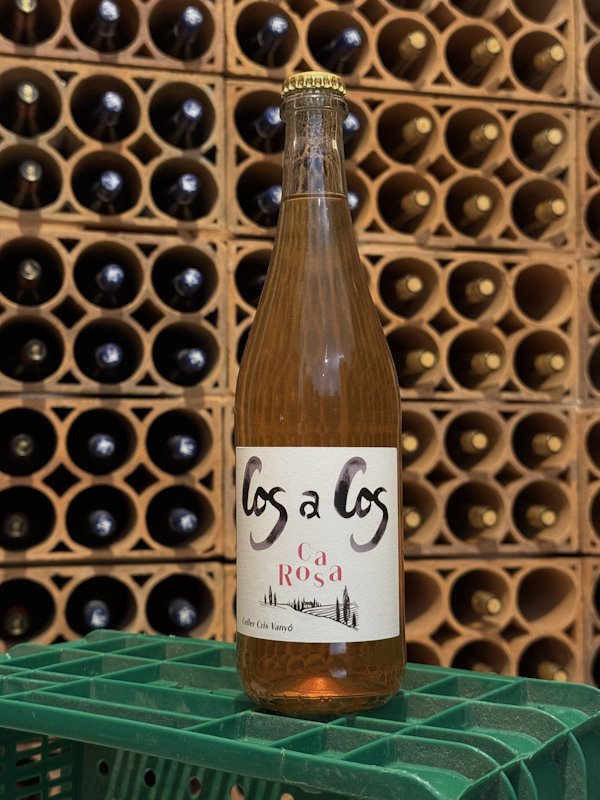
Free-run juice is a specific term used in the winemaking process, particularly for red wine. It refers to the wine extracted naturally from the marc after fermentation without the need for pressing. This distinction is important because free-run juice differs from press wine, which, as the name suggests, is obtained by pressing the marc. The marc is the mixture of juice, skins and seeds, and sometimes stems. This separation of free-run juice and press wine dates back several centuries and has ancestral origins. Since antiquity, winegrowers used winemaking methods involving the flow of juice without pressure, whether for technical reasons or to preserve the quality of the product.
In the Middle Ages, this distinction was even more pronounced, particularly in monasteries producing wine both for religious consumption and for sale. Free-run juice was often reserved for more prestigious consumption or particular uses, while the more robust press wine was sold to a wider clientele or blended.
In practical terms, the process begins with alcoholic fermentation. Once the grapes are crushed, fermentation starts, transforming sugars into alcohol via yeasts. The must remains in a tank, which can be stainless steel, plastic or terracotta, for a period ranging from a few moments to several weeks, depending on the desired tannin concentration. Then comes the draining: at the end of fermentation, the liquid is separated from the solid matter. The juice that flows naturally, without mechanical pressure, is what we call free-run juice. This wine is known for its finesse, freshness and more subtle aromas compared to press wine. Since nothing is wasted, the remaining marc is immediately pressed to extract another wine, often more tannic and structured. This wine can be blended with the free-run juice or used separately, depending on the winemaker's preferences and desired profile.
Free-run juice is often considered superior to press wine, as it contains fewer astringent tannins and is generally more aromatic and softer. It is a less "rough" wine than press wine, though this obviously depends on the grape variety and the winemaking process.
The term free-run juice is not always highlighted on labels; this technical distinction interests enthusiasts more than the general public. It is also more expensive to produce, as it represents a smaller quantity of wine compared to press wine. In some regions, it is blended with press wine to create a balance between finesse and structure. It is a technique particularly appreciated by natural winegrowers who seek to express the pure fruit of their terroir.